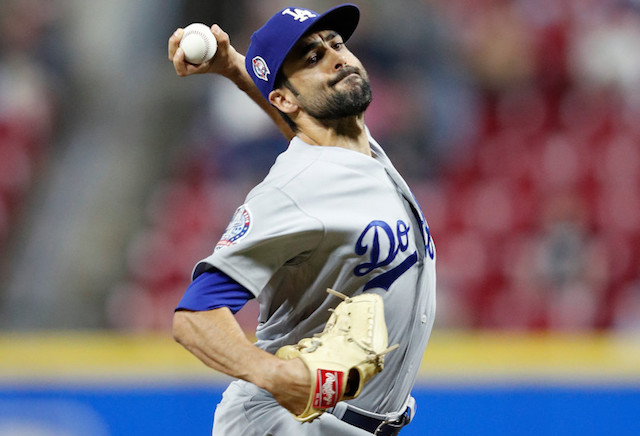


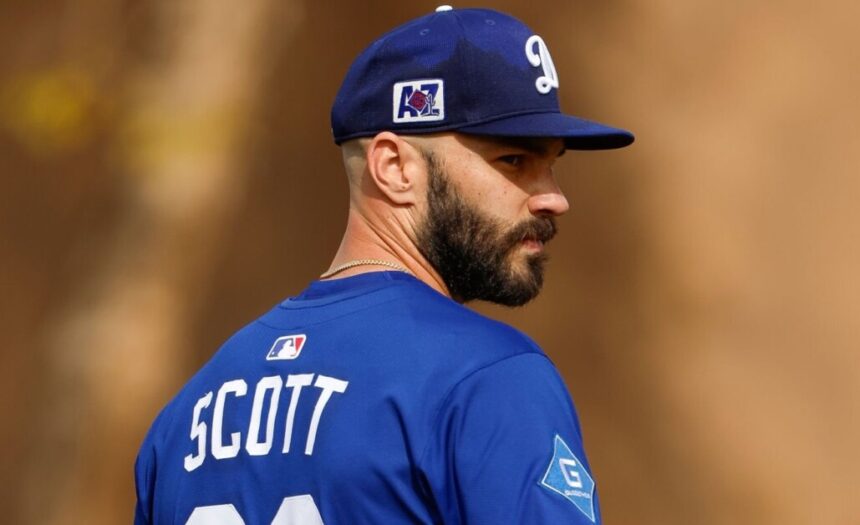
Tanner Scott’s first year with the Los Angeles Dodgers could not have gone much worse. The left-hander arrived with expectations of anchoring the back end of the bullpen, only to finish with an MLB-worst 10 blown saves and a 4.74 ERA over 61 appearances. For a club that expects to contend every season, those numbers stood out in all the wrong ways.
Yet the Dodgers did not sign Scott to a one-year flier. They committed $72 million to him as a long-term investment, and that context still matters heading into 2026. Much like sitting down at a bank of online slots and waiting for the odds to turn, Los Angeles believes the probability of Scott bouncing back to his 2024 All-Star form is far better than his 2025 stat line suggests.
From All-Star Closer To Tough Debut
Scott’s path to Chavez Ravine helps explain why the Dodgers were willing to invest heavily in him. In 2023 and 2024, he emerged as one of the most effective late-inning arms in baseball, posting a combined ERA close to 2.00 across those two seasons while closing games for Miami and San Diego. His fastball-slider combination missed bats, limited hard contact, and made him a coveted target when he reached free agency.
That track record convinced the Dodgers to pay him like a top-tier closer. The front office envisioned Scott locking down the ninth inning and stabilizing a bullpen that had dealt with inconsistency in previous years. Instead, his first season in Los Angeles turned into a grind. Scott allowed 11 home runs, saw leads disappear too often in the late innings, and never fully resembled the dominant presence he had been just a year earlier. Fans turned against him, and eventually, Dave Roberts explored other options.
Injuries And Instability In 2025
The raw numbers tell only part of the story. Scott battled elbow inflammation during the summer, which forced a trip to the injured list, disrupting his rhythm and workload. Late in the season, he then dealt with a lower-body abscess that required a procedure and ultimately kept him off the Dodgers’ postseason roster. For a reliever whose success relies on explosive stuff and consistent mechanics, those health issues mattered.
The timing of those problems also made his season look worse. Several early blown saves amplified scrutiny from fans and media, and each subsequent misstep felt bigger than the last for a club in a tight playoff race. By the time September arrived, Scott was fighting both his mechanics and the weight of a year’s worth of frustration. His absence in October underscored how far things had drifted from the Dodgers’ original plan when they signed him.
Why The Dodgers Still Believe
Despite the rough debut, the organization has not wavered in its belief in Scott’s talent. Team officials have indicated that his health issues are resolved and that he enters 2026 with a clean bill of health after a full offseason to rest and reset. They view 2025 as an outlier, not a new baseline, and expect his underlying performance to resemble what it did in his All-Star season once he is fully healthy physically.
There is also a broader bullpen strategy at work. In mid-December, the Dodgers invested $69 million and signed Edwin Díaz to handle closing duties, which reduces the pressure on Scott to be perfect in the ninth inning every night. Instead of functioning as the sole stopper, he can share high-leverage work, target matchups, and slide into the eighth inning or earlier when the game script dictates. That shift in role could unlock a more effective version of Scott while still maximizing his value.
Path Back To 2024 Form
For Scott to rebound, several key elements must fall into place. First, his command has to tighten. When he dominated in 2023 and 2024, he kept the ball in the zone enough to leverage his swing-and-miss arsenal while avoiding the middle of the plate in hitter’s counts. In 2025, too many pitches leaked over the heart, leading to those 11 home runs and a constant feeling of walking a tightrope in the ninth.
Second, his slider needs to regain its sharp bite. At his best, the pitch tunnels off his fastball and dives late, forcing weak contact or whiffs against both right-handed and left-handed hitters. If improved health restores that action and allows him to repeat his delivery more consistently, his strikeout rate should climb, and his margin for error will increase. With Díaz now present as a proven closer, Scott can focus on sequencing and execution rather than worrying about the label attached to his inning.
Motivation And Role In 2026
By all accounts, Scott enters 2026 with something to prove. Dodgers leadership has described him as hungry and motivated after a season that fell far short of expectations. That mindset, paired with improved health and a more stable bullpen structure, could help him channel the frustration of 2025 into a more controlled and effective edge on the mound.
The Dodgers, for their part, do not need Scott to carry the entire bullpen to justify his contract. They need him to be the pitcher he was before he arrived in Los Angeles: a power lefty who misses bats, attacks the zone, and handles big outs late in games. If he can approximate his 2024 form while Díaz locks down the ninth, the club suddenly has one of the strongest late-inning tandems in the league.
Big-money reliever contracts often get judged quickly, especially in a market like Los Angeles. One bad season can shape perception even when multiple years remain on the deal. In Scott’s case, three seasons are still left, giving both the pitcher and the club time to reshape the narrative.
If Scott turns 2025 into a learning experience rather than a defining chapter, last year’s signing can still pay off in a big way. A healthy, confident version of the left-hander, paired with Díaz at the back of the bullpen, would give the Dodgers exactly what they envisioned when they first brought him to Chavez Ravine: a dominant late-inning weapon capable of closing out October games and making that initial investment look like a smart, forward-thinking move rather than a misstep.