


Few offseasons have left the Dodgers with as much starting pitching as this one. Nine guys, each with the chops to take a big-league turn, are fighting for only so many spots. That’s new territory in Los Angeles, where health letdowns and thin depth have ruled recent years. The team bets strongly on this overhaul carrying into 2026, even as front office voices hint at trade possibilities to balance things out.
There’s even talk that a six-man rotation could start the year. Unless, of course, Los Angeles deals from its stash or sends someone down for seasoning. At any rate, the organization has left itself options, with arms adaptable to more than one role and the chance to fill remaining lineup holes.
Surplus of Starting Pitchers Shapes Spring Competition
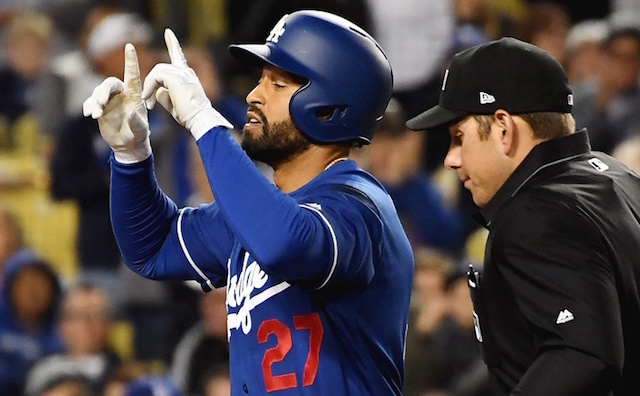
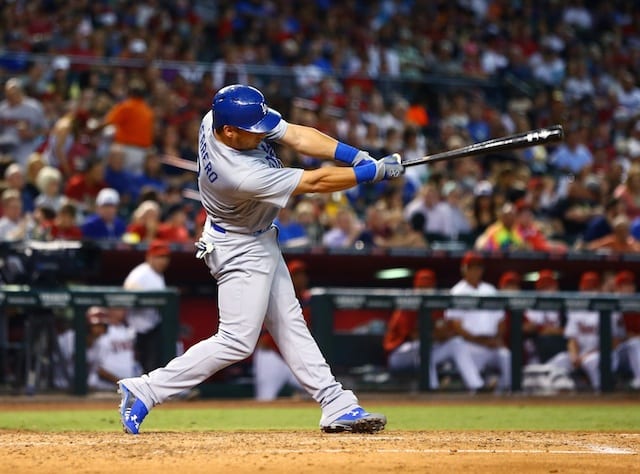
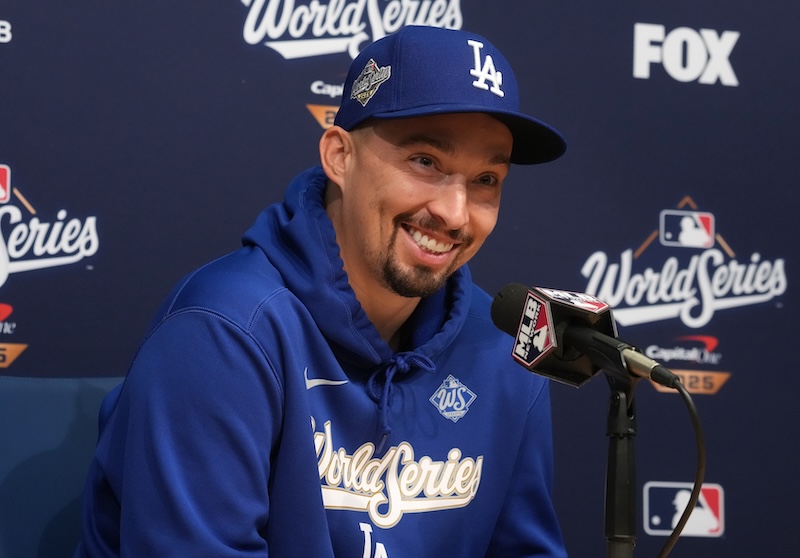
This time, the Dodgers will hardly scramble to name a rotation. Snell, Yamamoto, Ohtani, and Glasnow, if their health holds, are locks for the front end. Then there’s Sasaki, who, after a turn out of the bullpen late last season, reportedly slides right back into starting duty. Next up: Sheehan, Stone, and River Ryan, all jostling for a look, either at the back of the five or as swingmen.
Snell and Yamamoto form the anchor. Ohtani is set to return to his everyday two-way work again. Glasnow, on the verge of free agency, gets plenty of attention for both stats and rumors. Explore the full sweepstakes checklist here for broader context on how these roster battles tend to unfold.
Further down the list, the likes of Stone and Ryan, who are working back from injuries, make the group even deeper. With so many arms, the Dodgers could go six-man, stash prospects in Triple-A, or put a pitcher or two on the trade market. Left field keeps coming up as a target. Spring’s job, more than ever, is about sorting who’s healthy, who can do what, and who truly stands out.
Six-Man Rotation Remains a Real Possibility
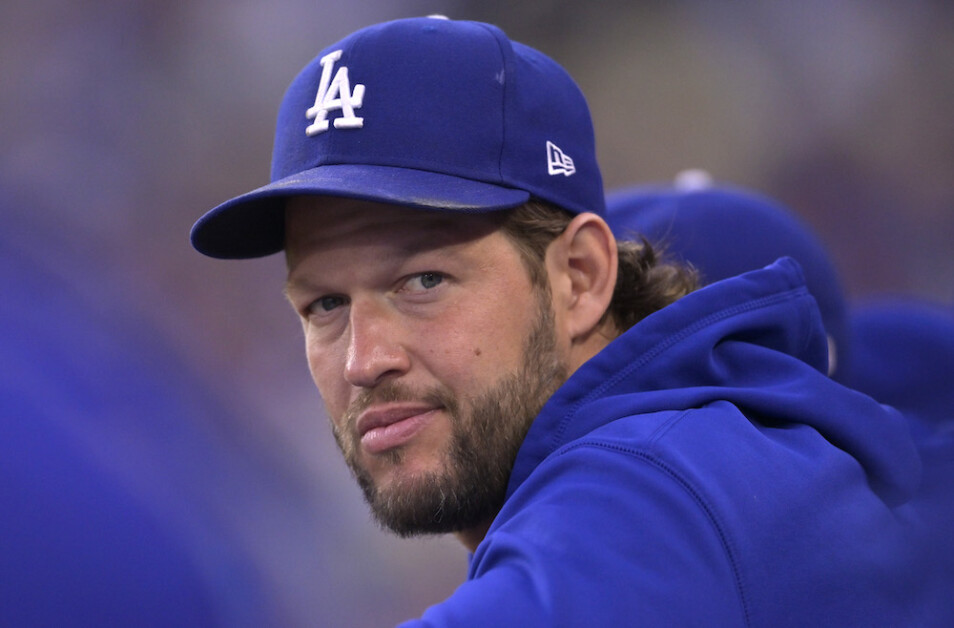
Brandon Gomes, the Dodgers’ GM, hasn’t closed the door on a six-man look. He credits past success, the group logged a strong 3.69 ERA with it last year, and notes the advantage in keeping everyone’s arms fresh. Sasaki, sliding in for the retired Clayton Kershaw, figures to anchor one of those spots. Los Angeles appreciates the flexibility, allowing pitchers to be moved up or down as needed, and not burning through anyone too soon.
That sixth spot changes things. It lets the Dodgers ease injured arms back in or give top prospects a softer landing. Some see that depth as trade fuel. If Los Angeles gets the urge to swap, the right affordable pitcher could headline a deal to address other areas. The broader picture touches multiple roster needs, and the front office appears nimble as February rolls on, rarely holding all the cards, but constantly shaping the deck.
Trade Leverage and Outfield Questions
One thing’s clear: the front office won’t pretend it won’t listen to starters. There’s an active debate inside about holding the depth for injury insurance, moving someone like Stone or Ryan to long relief, or packaging one to shore up another position. Left field comes up repeatedly, often with Steven Kwan mentioned as a proper fit if pitching is the price. Sometimes, bigger names are floated in media speculation, but nothing concrete has emerged.
Then again, Sasaki, Stone, and Ryan all carry minor league options. That allows Los Angeles to keep control, even if one heads down to open the season. Who moves, if anyone, probably hinges on the health of Ohtani or Glasnow as much as anything.
Bullpen Flexibility Promotes Fresh Competition
A few of these ‘starters’ could easily shift to relief or swingman work, providing length and innings behind the lead guys. Los Angeles leaned in on this flexibility last year, sending arms up and down as needed to handle the grind. Stone, Ryan, or Sheehan could easily land first as multi-inning bullpen pieces. The thinking: keep everyone healthy and sharp while protecting the top pitchers from overwork. Throughout the spring, coaches will be watching closely to determine who adapts to it best.
Responsible Team Management Emphasized
Leadership from the front office, from the top down, emphasizes the importance of pacing workloads and prioritizing pitcher health. No one’s focused strictly on opening day. The Dodgers want staying power, and these numbers mean they can rest, react, and shield their arms across six hard months. Spring training decisions will chart that course: cautious, careful, and set up for the long haul.