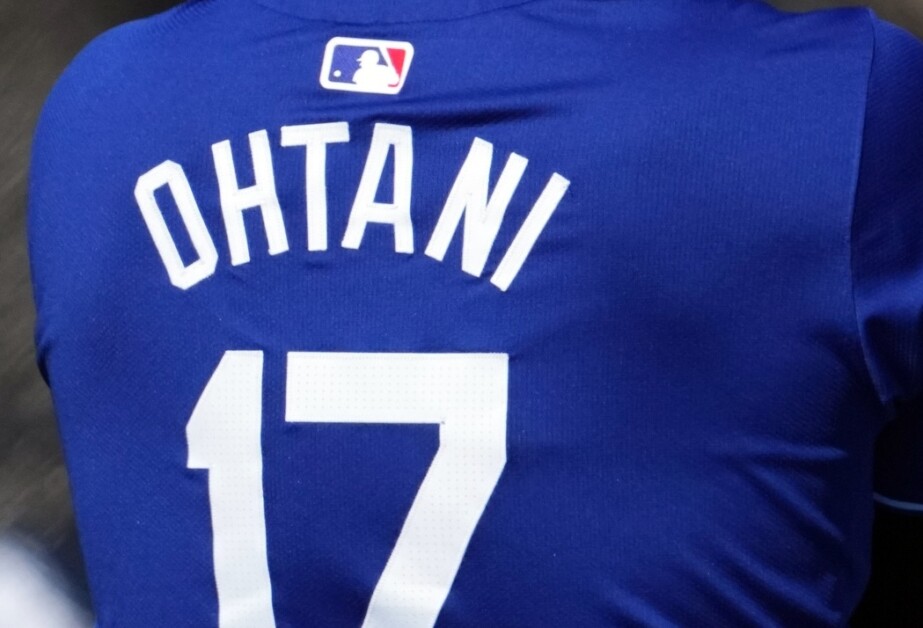




The modern fan experience has evolved alongside these strategies. Spectators now have access to Statcast data, launch angles, and exit velocities instantly. This thirst for immediate, transparent data mirrors trends seen across the broader digital entertainment landscape. Just as scouts meticulously break down pitcher mechanics, digital analysts in adjacent industries use platforms such as LiveCasinoComparer to scrutinize stream quality and interface latency, proving that the global appetite for detailed, comparative data extends well beyond the baseball diamond.
To the casual observer, baseball is a game of physical skill. To the modern executive, it is a massive dataset where every pitch, swing, and defensive shift is a data point used to calculate Expected Value (EV). The Dodgers have separated themselves from the pack by treating the 162-game season as a long-run probability exercise, minimizing the impact of short-term volatility while maximizing their strategic advantages.
The Science of Roster Construction and Risk
The foundation of the Dodgers’ dominance is built on a portfolio approach to roster construction. In financial or gaming terms, this is akin to managing bankroll exposure. The organization rarely relies on a single outcome; instead, it builds depth that can absorb the inevitable injuries and slumps that occur over six months.
When Andrew Friedman and his team evaluate a player, they aren’t just looking at past performance; they are projecting future output based on underlying metrics. This is where the concept of “volatility” becomes crucial. Some players offer high consistency (low volatility), while others are “streaky” (high volatility). A balanced roster requires a mix of both.
For example, a power hitter with a high strikeout rate introduces high variance into the lineup—they might change the game with one swing, or they might produce nothing. The Dodgers balance this by surrounding high-variance assets with high-contact hitters who stabilize the offensive output. This strategic layering ensures that the team’s “Return to Player” (in this case, run production relative to investment) remains positive over the large sample size of a full season.
In-Game Management: The Shift to Real-Time Analytics
Perhaps the most visible evolution in recent years is how data dictates in-game decisions. The days of a manager managing purely by “gut feeling” are largely behind us. Today, the dugout is an extension of the analytics department.
This shift is most evident in pitcher management. The decision to pull a starter in the sixth inning isn’t personal; it is often based on the “Times Through the Order” penalty—a statistical reality where a pitcher’s effectiveness drops significantly the third time they face a lineup. The Dodgers have been pioneers in leveraging bullpen games and openers, strategies that initially baffled traditionalists but were rooted in optimizing win probability.
The modern fan experience has evolved alongside these strategies. Spectators now have access to Statcast data, launch angles, and exit velocities instantly. This thirst for immediate, transparent data mirrors trends seen across the broader digital entertainment landscape. Just as scouts meticulously break down pitcher mechanics, digital analysts in adjacent industries use platforms such as LiveCasinoComparer to scrutinize stream quality and interface latency, proving that the global appetite for detailed, comparative data extends well beyond the baseball diamond.
In both contexts, the user or the manager is looking for an edge—a piece of information that clarifies the chaotic nature of a live event. For the Dodgers, that edge is knowing exactly when a pitcher’s spin rate is degrading, allowing Dave Roberts to make a substitution before the damage is done.
Understanding Variance: The BABIP Factor
One of the most difficult concepts for fans to accept is that a team can do everything right and still lose. In sabermetrics, this is often explained through BABIP (Batting Average on Balls In Play). This metric attempts to isolate the role of luck and defense from the pitcher’s performance.
If a Dodgers pitcher induces soft contact, but the ball happens to find a hole in the infield, the outcome is negative, but the process was sound. Over a short series (like the postseason), variance can be cruel. A 100-win team can represent a statistical powerhouse, but in a five-game series, the sample size is too small for the “law of averages” to take effect.
This statistical noise is what makes the MLB postseason so unpredictable compared to the NBA or NFL. The Dodgers’ strategy has been to ensure they get to the postseason consistently enough that, eventually, the variance swings in their favor. It is a volume game. They focus on the process—maximizing the quality of at-bats and pitch execution—trusting that the results will align with the mathematics over time.
The Role of Technology and Player Development
The Dodgers are renowned for their player development machine, often turning waiver-wire pickups into All-Stars. This is achieved through biomechanical analysis that rivals a high-tech laboratory.
Coaches use high-speed cameras and motion-capture technology to tweak a pitcher’s delivery or a batter’s swing plane. These adjustments are designed to optimize “paylines”—or rather, the swing path that stays in the hitting zone the longest. By increasing the margin for error, players can make contact with pitches even if their timing isn’t perfect.
Pitch Design: Optimizing the axis of rotation on a breaking ball to create more vertical drop.
Swing Decisions: Training hitters to only swing at pitches where their personal heat maps show high expected slugging percentages.
Defensive Positioning: Using historical spray charts to position fielders exactly where the ball is most likely to be hit.
These mechanics are constantly refined. The feedback loop is immediate. A pitcher throws a bullpen session, the data is analyzed, and adjustments are made before the next start. This culture of continuous improvement is what separates the Dodgers from organizations that rely solely on acquiring established talent.
The Digital Fan and the Future of Engagement
As the game on the field becomes more data-driven, so does the way fans consume it. The “second screen” experience is now standard. Fans are no longer just watching the broadcast; they are tracking probabilities on their phones, debating manager decisions based on real-time stats, and engaging in fantasy leagues that require a GM-level understanding of the sport.
This gamification of the spectator experience has deepened the connection between the team and its fanbase. Understanding concepts like WAR (Wins Above Replacement) or OPS+ allows fans to appreciate the nuance of a roster move that might otherwise seem insignificant.
For instance, Baseball Savant has become a go-to resource for fans who want to see the “under the hood” metrics of a game, much as tech enthusiasts review server specs or software benchmarks. The demand for transparency is universal. Whether analyzing a slider’s horizontal break or evaluating digital platform performance, the modern consumer is sophisticated, educated, and data-hungry.
Conclusion: The Long Game
The Los Angeles Dodgers operate with the understanding that baseball is a game of failure managed by experts. Even the best hitters fail 70% of the time. The goal is not perfection, but rather tilting the odds slightly in your favor on every single pitch.
By mastering the mechanics of the game, investing in the volatility of high-ceiling talent, and making cold, calculated decisions based on real-time data, the Dodgers have built a system designed to endure. While the postseason will always carry the inherent risk of a short sample size, the organization’s commitment to the mathematical truth of the sport ensures it will remain a perennial contender in an increasingly competitive league.