

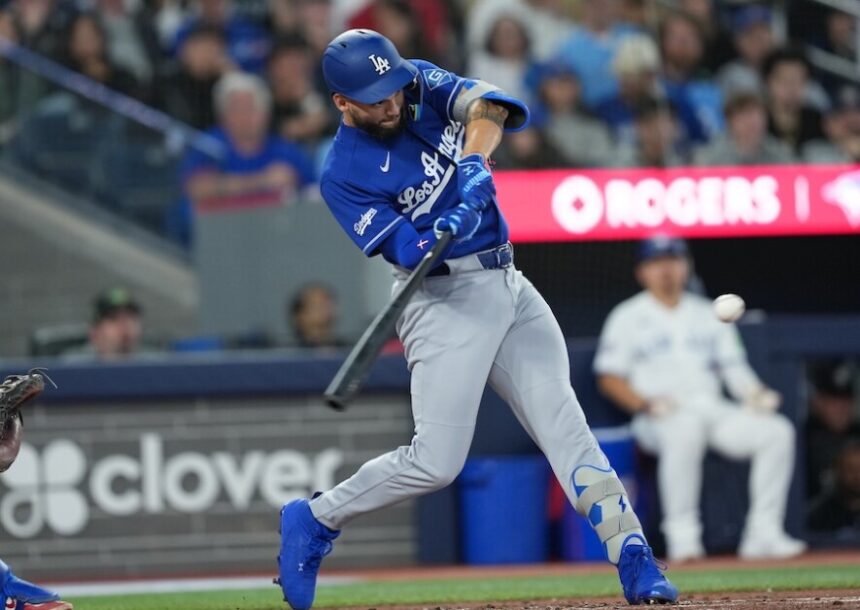
The first week of 2026 looked familiar for the Dodgers. The offense started slow, timing looked off, and the lineup left runs on the table. It felt like a mild hangover after another deep October run and short offseason.
That narrative has flipped in a hurry. Through games of April 10, Los Angeles sits atop the National League in runs scored with 75, a scorching 6.2 runs per game, after averaging 5.1 runs per game last season. The attack looks deeper, more balanced, and more relentless, a profile that already has sportsbooks such as Rollambia online casino listing the Dodgers as clear favorites to win the 2026 World Series.
Offense Shakes Off Early Funk
The Dodgers’ first few games featured stranded runners and inconsistent contact. Pitchers attacked the zone, and the lineup did not consistently punish mistakes. Over the past week, that has changed.
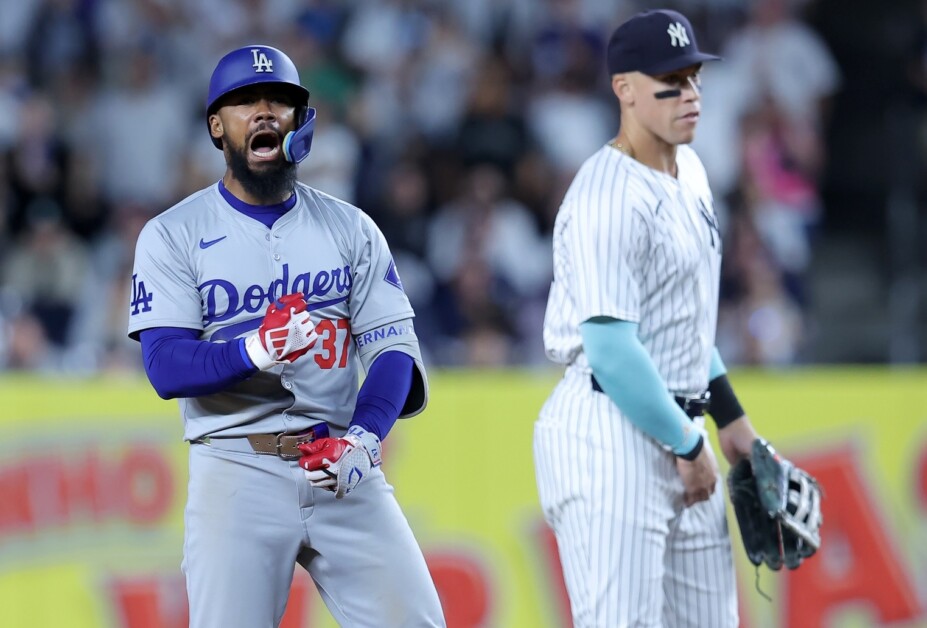
Los Angeles is driving the ball with authority and grinding out at-bats. The club has already put together multiple double‑digit scoring games and has turned early deficits into quick comebacks. The lineup is controlling counts, forcing starters into high pitch counts, and exposing opposing bullpens by the middle innings.
The jump from 5.1 to 6.2 runs per game is not a small early‑season blip. It reflects better swing decisions, more traffic on the bases, and impact contact up and down the order. The Dodgers are getting production from their stars, but also from less-established bats who are lengthening the lineup and punishing opponents when they try to pitch around the middle.
Andy Pages Provides Early Spark
Andy Pages has emerged as one of the biggest early stories of the Dodgers’ season. The young outfielder has carried his hot spring into April, delivering extra‑base damage and timely hits while showing improved strike‑zone discipline. His three‑run homer in Washington and run‑scoring swings in Toronto helped break open games and flipped momentum in series that could have tilted the other way.
Pages’ presence in the lower half of the lineup has a real impact. When he turns the order over with quality at‑bats, he creates RBI opportunities for the top and keeps pressure on pitchers who cannot coast once they get past the established stars. His ability to drive the ball to all fields gives the Dodgers another right‑handed power threat behind their core.
Just as important, Pages is no longer chasing as often. He is forcing pitchers to enter the zone and punishing mistakes over the plate. For an offense already leading the league in runs, that type of secondary contributor can be the difference between a good lineup and an elite one.
Freddie Freeman Still Sets The Tone
Freddie Freeman remains the offensive anchor. His approach has not changed. He works deep counts, uses the whole field, and consistently produces quality contact. Early this season, Freeman has again been in the middle of rallies, stacking doubles into the gaps and driving in runs in the first few innings of games.
Freeman’s ability to adjust within at‑bats stabilizes the lineup. When the Dodgers need a productive plate appearance, this is the bat that tends to reset an inning. Opposing teams know they cannot afford to give him extra pitches in the zone, which has helped those hitting around him see more hittable offerings.
His leadership also matters on a day‑to‑day basis. Younger hitters can model their game plans on Freeman’s calm, patient, and selective approach. That influence shows in the team’s collective willingness to take walks early, then attack when they get ahead in the count.
Will Smith Drives Production Behind The Plate
Will Smith continues to be one of the most complete catchers in the game, and his bat is a big part of why the Dodgers lead the league in scoring. His early‑season at‑bats have featured the same traits that have defined his career: power to all fields, comfort hitting with two strikes, and an ability to do damage in big spots.
Smith gives the Dodgers middle‑of‑the‑order production from the catcher position, which few teams can match. Pitchers cannot pitch around Freeman and the rest of the heart of the order without having to deal with Smith’s bat right behind them. When Smith is driving balls into the gap and leaving the yard, it forces opponents to pick their poison throughout the top six spots.
His presence also helps manage the workload on the rest of the lineup. Even on days when others get a breather, Smith’s production can keep the offense afloat and limit the need to overextend the bench.
Deep Lineup Fuels Big Expectations
Beyond Freeman, Smith, and Pages, the Dodgers’ depth has shown early. Role players are putting together competitive at‑bats, drawing walks, and taking advantage of mistakes. The bottom of the order has chipped in with extra‑base hits and stolen bases, turning what could be quiet innings into extended rallies.
That depth is what supports the early offensive surge and the lofty expectations around this group. Oddsmakers have the Dodgers near the top of every World Series futures board, reflecting both recent championships and the current run‑scoring pace to start 2026. For Los Angeles, the challenge from here is to sustain this level of focus, health, and plate discipline over six months.
For now, the picture is clear. The Dodgers have moved past their early funk and are punishing pitching staffs across the league. If Andy Pages maintains his breakout, Freddie Freeman continues to anchor the heart of the order, and Will Smith keeps producing star‑level offense from behind the plate, the Dodgers’ status as a premier run‑scoring team and a serious threat to win it all again will remain firmly intact.