



Dodger Stadium has always been more than a ballpark. It sits at the center of Dodgers history, Los Angeles politics, and the modern identity of the Los Angeles Dodgers.
It also remains one of baseball’s oldest and most defining venues. In 2026, GamblingSites’ MLB stadium rankings still have Dodger Stadium near the top because of its scale, setting, and staying power, even as the stadium continues to evolve with new renovations, traffic issues, and a controversial gondola proposal.
A Ballpark Built On Conflict
Dodger Stadium opened on April 10, 1962, after years of land clearing and construction in Chavez Ravine. The site once held working-class Mexican American neighborhoods, and the move to build a stadium there left a long and painful legacy in Los Angeles. The Dodgers played at the Los Angeles Memorial Coliseum while the ballpark rose on the hill.
The original stadium was designed to be modern, efficient, and built for baseball. It opened with a clean view of the field, a massive seating bowl, and a setting that gave fans a wide look across the city. That combination helped make the park iconic from the start.
The ballpark has stood the test of time because it never fully lost its identity. It still feels unmistakably tied to the Los Angeles Dodgers, even after decades of change around it.
From Classic Park To Modern Venue
Dodger Stadium is the third-oldest active MLB ballpark, behind Fenway Park and Wrigley Field. It has also remained the largest baseball stadium in the world by seating capacity, which gives it a scale few other parks can match.
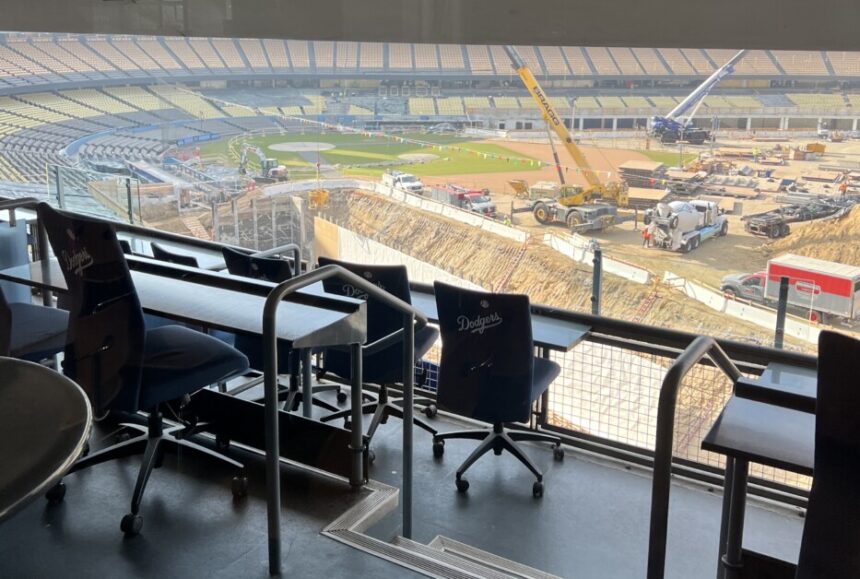
The stadium has gone through repeated updates to keep pace with the modern game. In recent years, the Dodgers have added a new center-field plaza, upgraded pavilions and Home Run Seats, improved clubhouse space, and refreshed ribbon boards. The team also installed a new reserve-level store in right field for 2026.
Those upgrades matter because they have kept the stadium up to date without stripping away its character. Dodger Stadium still feels like Dodger Stadium, but it now offers a better fan experience and more modern player facilities.
Recent Renovations And Upgrades
The biggest wave of changes came in 2020 and carried into the years that followed. The project included major improvements to the outfield, plaza areas, and club spaces. The Dodgers later built out the home clubhouse for the 2025 season, giving players a more modern base of operations.
The team continued adding smaller touches in 2026. That included updated digital boards and the new store on the reserve level in right field. These changes show a clear pattern. The organization has invested in the park while keeping the old bones intact.
That balance helps explain why Dodger Stadium still matters so much in the Los Angeles sports landscape. It remains a historic site, but it also functions as a modern major-league venue.
The Gondola Debate
The proposed gondola project has become one of the most discussed off-field stories tied to Dodger Stadium. The plan would connect Union Station to the stadium via a cable transit route, with stations serving Chinatown and Los Angeles State Historic Park.
Backers say the proposed $500 million aerial tramway would improve access to the ballpark and create a permanent transit link for fans heading to Dodgers games and major events. Supporters also argue that it could ease traffic and add a new transportation option to the area.
Opponents have pushed back hard. They argue that the project would cause construction disruptions, raise community concerns, and serve private interests more than the public transit system’s needs. The fight over the gondola has made Dodger Stadium part of a broader Los Angeles conversation about development, access, and neighborhood impact.
Why The Stadium Still Matters
Dodger Stadium is not just an old ballpark that survived. It is still the home stage for the Los Angeles Dodgers, one of baseball’s most visible franchises. It has hosted World Series games, All-Star Game moments, and countless October nights that shaped the team’s identity.
It also carries its history in plain view. The park reflects both achievement and tension, both tradition and change. That mix is a big reason it remains one of the most recognizable stadiums in sports.
As the Dodgers continue to win and the stadium keeps getting updated, Dodger Stadium looks less like a relic and more like a living part of the city. Its past is complicated. Its future is still being written.