


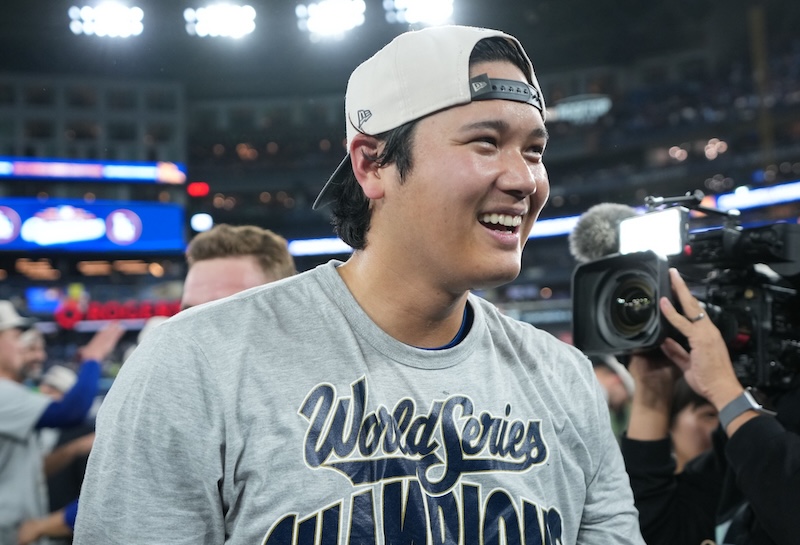
Shohei Ohtani has gone from once‑in‑a‑generation talent to a full‑blown cultural phenomenon, reshaping not only the Los Angeles Dodgers but also how Japan sees its sporting heroes and how global brands think about star power in the digital age.
A New Kind of Dodger Icon
The Dodgers have never been short on legends, from Sandy Koufax’s dominance on the mound to Jackie Robinson’s barrier‑breaking brilliance and Don Drysdale’s old‑school fire. Shohei Ohtani has already forced his way into that conversation, not just as a star player, but as a once‑in‑a‑lifetime hybrid of ace pitcher and middle‑of‑the‑order slugger. He joined a franchise that has now stacked back‑to‑back World Series titles, solidifying its status as a modern dynasty and giving his stardom the biggest possible stage in October.
In Japan, Ohtani is more than a baseball player; he’s the country’s defining sports export of this era, with a level of mainstream recognition that eclipses athletes in more niche global sports. His rise has turned Dodgers games into must‑see events not only in Los Angeles, but in Tokyo living rooms, sports bars, and even travel itineraries built around a West Coast baseball pilgrimage.
Global Star in a Social Media World
In the age of Instagram and TikTok, visibility is currency, and Ohtani has quietly built one of the most powerful personal brands in baseball. His Instagram following now sits in the eight‑figure range, a staggering number for an MLB player and several times larger than most of his peers, even if it still trails global megastars like Cristiano Ronaldo by a wide margin.
That global reach mirrors how other digital‑first industries have learned to operate, especially online casino gaming, where platforms lean heavily into social media, influencer partnerships, and frictionless payments to attract users worldwide. Crypto‑friendly brands like CafeCasino.lv have embraced this playbook, using digital marketing and blockchain‑based payments to appeal to a tech‑savvy, international audience that expects to move seamlessly between entertainment, finance, and fandom. For athletes like Ohtani, the lesson is clear: social platforms are no longer optional; they’re the connective tissue that turns a national hero into a global lifestyle icon.
The Ohtani Economy
Ohtani’s influence shows up everywhere from merch stands to TV ratings to tourism data. His Dodgers jersey has consistently ranked among MLB’s best‑sellers since his move to Los Angeles, and league and team officials credit him as a major driver of broadcast audiences in both the United States and Japan. Off the field, his endorsement portfolio spans both countries, helping make him the highest‑earning player in MLB when his record‑setting 10‑year, $700-million contract is combined with his commercial deals.
The “Ohtani effect” spills into lifestyle and travel, too: Japanese tour operators and Los Angeles businesses have reported surging interest from fans planning trips around catching him at Dodger Stadium, with Little Tokyo in downtown Los Angeles seeing a noticeable boost tied to his presence in the city. In Japan, recurring surveys of young people show him comfortably at the top of the “most admired athletes” lists, often winning by double‑digit margins over the next‑closest star, which makes polls feel like a formality rather than a debate.
More Than Wins and Rings
On paper, Ohtani’s résumé already reads like sports fantasy: multiple unanimous MVP awards, historic two‑way seasons, and a starring role for Japan on the World Baseball Classic stage. He helped deliver Japan a WBC title in 2023, earning MVP honors while delivering one of the most cinematic moments in recent baseball history by striking out Mike Trout to end the championship game. Since then, he has added World Series rings and continued MVP dominance with the Dodgers, cementing his place in both Japanese and American baseball lore.
Yet within Japanese culture, his appeal increasingly extends beyond stat lines and trophies. Ohtani’s image—disciplined, polite, relentlessly prepared and seemingly scandal‑free—fits neatly into an aspirational lifestyle template that parents, brands and young fans all embrace, making him as much a symbol of values as of sporting excellence.
Will Japan Ever See Another “Shotime”?
Ohtani is expected to remain an elite force for several more seasons, even as his workload is more carefully managed following elbow surgery and as Japan’s national team leans on his bat more than his arm in future World Baseball Classic appearances. With every MVP, World Series run, and international tournament he adds to his résumé, the bar for the “next Ohtani” moves further out of reach for the next generation of Japanese athletes.
Japan will undoubtedly produce more stars, but a bilingual, bi‑continental, two‑way MVP who dominates both the American sports conversation and the Japanese lifestyle space feels like a once‑in‑a‑lifetime convergence. For now, Shotime exists at the intersection of sport, culture, commerce, and digital life—a place where a single swing can ripple from Dodger Stadium to Tokyo, and where his name carries the same weight in a box score, a marketing deck, and, increasingly, in the global lifestyle conversation that brands are also trying to tap into.