

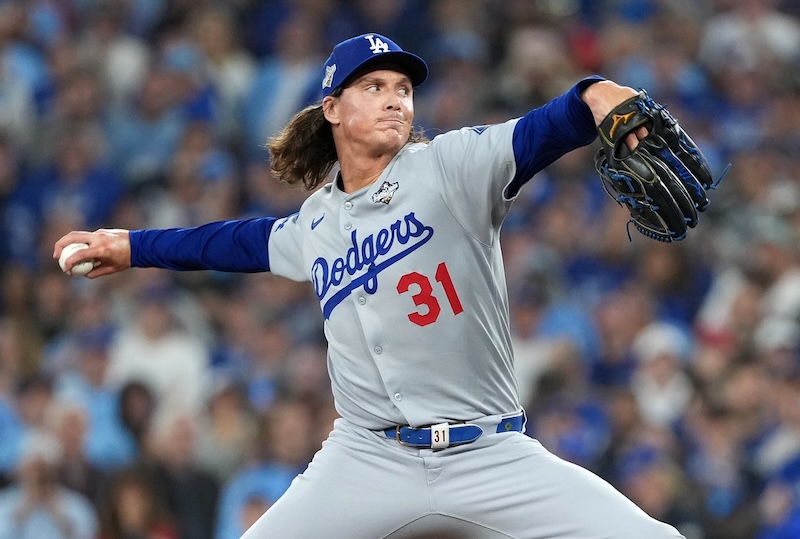
As the 2026 season nears, fans expect the Dodgers to compete and dominate the games. And with 162 games over the course of a season, the team’s starting lineup will matter more than ever.
One can also see this reality in sportsbooks. As people perceive the strength of a team’s rotation, future odds change. Fans who keep a close eye on these rotations often review sports analyses, including those with sportsbook promos, to see how the Dodgers’ pitching influence can affect projections.
And as more news about the team’s starting line continues to appear, you might wonder: can they hold off and bring victory until the end?
Yamamoto and Glasnow at the Top
Yoshinobu Yamamoto showed in 20254 why the Dodgers invested in him. He posted a 3.00 ERA across 90 innings and held opponents to a .190 batting average. He struck out nearly 29 percent of the hitters he faced. When he gets ahead in the count, he works quickly and limits hard contact. His efficiency helps the defense stay sharp and keeps his pitch count under control.
Tyler Glasnow brings power to the front of the rotation. He has maintained a strikeout rate above 30 percent in recent seasons, which places him among the league leaders. His arsenal can shut down rallies before they gain momentum. The concern centers on durability. Glasnow has not reached 150 innings in a season since 2019. If he approaches that total, the Dodgers gain stability that has not always been present in recent years.
Proven Arms and Open Questions
Blake Snell adds another accomplished starter. He won the National League Cy Young Award in 2023 after posting a 2.25 ERA with 234 strikeouts. However, he is currently uncertain for Opening Day as he works through a recent injury, which sharpens early-season workload planning. His success often hinges on early command. When he throws first-pitch strikes, he dictates at-bats and works deeper into games. When he falls behind, his pitch count rises, and his outings shorten.
Depth Matters Over Six Months
Very few contenders rely on only five starters from April through September. The Dodgers have turned to pitchers such as Emmet Sheehan when injuries or scheduling demands arise. Sheehan has demonstrated swing-and-miss ability while still refining his control.
Those extra starts can shape a division race. A reliable sixth option preserves bullpen roles and prevents relievers from absorbing too many high-leverage innings in midsummer.
Early Signs to Watch
Three numbers can offer a quick read on the rotation’s direction.
Strikeout rate provides a baseline. League average typically sits near 22 percent. A staff that stays above that mark limits balls in play and reduces pressure on the defense.
Walk rate carries equal importance. Keeping it under eight percent allows starters to reach the sixth inning without excessive stress.
Innings per start reveal whether the group provides consistent support. An average of 6 innings suggests the staff keeps games structured and gives the bullpen a defined role.
The Dodgers built this rotation around power arms with proven track records. Talent will draw headlines in April. Staying healthy, throwing strikes, and covering innings will determine where Los Angeles stands when the season reaches its final stretch.