

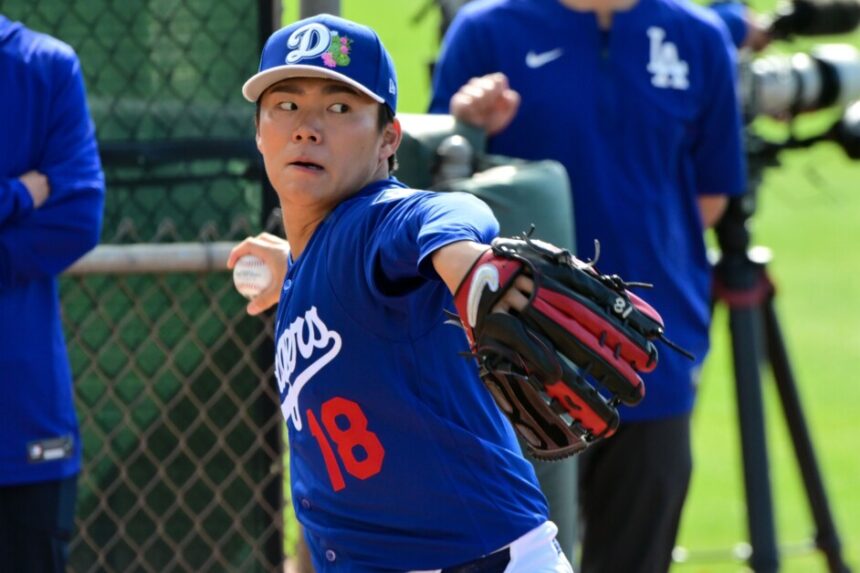
Spring Training is behind them, and the next stop for the Los Angeles Dodgers is Opening Day. The 2026 season begins March 26 with a roster that once again sits at the center of every futures board and preseason prediction.
The Dodgers enter the year as the sport’s defining powerhouse. They are chasing a three-peat with a core that blends MVP-caliber star power and layers of depth that most clubs cannot match. That talent gap is fully reflected in the betting market, making finding value on this team more complicated than simply backing the favorite.
The Offensive Machine and Futures Pricing
The Dodgers’ lineup arrives at Opening Day in familiar, imposing form. Shohei Ohtani returns as a full two-way presence and remains the focal point of both the order and the rotation. Mookie Betts and Freddie Freeman continue to anchor an offense that rarely gives opposing pitchers a chance to breathe, while new and emerging pieces around them deepen the threat across all nine spots.
Behind that core, Los Angeles can cycle in power, plate discipline, and situational hitting almost every inning. The result is a lineup that projects near the top of the league in runs scored and on-base percentage once again. When a roster starts from that level of baseline production, bookmakers have little choice but to compress the odds on season-long outcomes.
On the mound, Yoshinobu Yamamoto looks to be the opening day starter, and fronts a rotation that also features Ohtani and a mix of proven arms and upside. The Dodgers have fortified both the middle and late innings with multiple high-leverage relievers and swingmen who can absorb innings early in the season. That depth helps insulate them from the typical attrition of a long schedule and reinforces why they open as one of the heaviest division and World Series favorites in recent memory.
Because of that roster strength and recent track record, the Dodgers are priced aggressively in the futures market. In most places, they sit as overwhelming favorites to win the National League West and clear leaders in both pennant and World Series odds. Division futures, in particular, often carry such short prices that any return barely justifies the risk across six months of variance, injuries, and random breaks. For many bettors, that reality shifts the focus away from simple “will they win the division” tickets and toward more targeted ways of engaging with the season.
Understanding Implied Probability and Line Shopping
Extracting value from a team this heavily favored starts with the math, not emotion. Every posted number carries an implied probability, and the only way to find an edge is to compare that implied chance with your own assessment of the Dodgers’ true odds.
Consider a basic example on a World Series future. If one sportsbook lists Los Angeles at +230 and another hangs +300, those prices represent a meaningful difference in implied probability, not a small cosmetic gap. Taking the shorter number concedes a significant percentage of expected value before the season even begins. Over time, consistently accepting worse prices erodes profitability, no matter how good the team is.
That is where disciplined line shopping becomes essential. Serious bettors monitor how numbers move across the market and are willing to wait for favorable swings rather than locking in the first available price. They use the top sportsbooks for MLB betting to compare futures boards and identify outlier numbers before they disappear. In a season this long, that approach can be the difference between a sharp portfolio and a marginal one.
The same principle applies during the year. If the Dodgers start fast or slow, oddsmakers will adjust, and some books will lag behind others. Bettors who track those discrepancies can occasionally find mid-season prices that better reflect the true range of outcomes than the consensus board.
Finding Edges in Player Props
For many Dodgers fans, the more interesting angles this season sit in the player prop markets. Team futures can be heavily shaded by public demand, but individual lines sometimes move more slowly or react to different information.
Ohtani’s home run total, for example, will draw constant attention as he plays a full schedule at the plate and returns to a regular spot in the rotation. Books will post numbers on his homers, RBIs, and strikeouts, and each market will respond differently to health updates, rest days, and performance trends. The key is to approach those props with the same discipline as team futures: translate each price into an implied probability, compare it to realistic projections, and only bet when there is a clear edge.
Freeman’s hit total, on-base percentage props, or season-long RBI lines offer similar opportunities. Bettors who follow the team closely can react quickly to changes in lineup spots, the supporting cast, or ballpark factors during specific road trips. Over time, that granular knowledge can identify spots where the posted number fails to reflect the full context.
Again, the math matters. A prop listed at -110 in one place and +105 in another is not the same bet. The difference in payout can flip a marginal edge into a negative one, especially across a full season of volume. Consistent success in this space comes from combining team knowledge with strict price discipline.
Balancing Excitement and Discipline
As March 26 approaches, optimism around the Dodgers is both justified and familiar. This is a roster built to contend deep into October, and the betting market reflects that reality at every level. For fans who want to pair their viewing experience with wagers, the challenge is to separate excitement from evaluation.
Futures tickets on such a heavy favorite demand careful timing and price shopping. Player props reward detailed, day-to-day attention to roles, health, and usage. In both areas, the best strategy is to respect the uncertainty that still defines a 162-game season, even for a team this talented.
The Dodgers’ path is again aimed toward a potential championship run. For bettors, the task is not to predict perfection, but to find the few spots where the numbers leave just enough room to make the risk worthwhile.