

The past three years have marked a major shift in the Los Angeles Dodgers’ team-building philosophy.
With all of the money the Dodgers have spent on Shohei Ohtani, Kyle Tucker, Blake Snell and many others, it’s easy to forget that isn’t how it’s always been under the current regime, led by president of baseball operations Andrew Friedman.
Clayton Kershaw’s seven-year, $215 million contract extension with the Dodgers in 2014 was the largest in franchise history at the time. It was agreed to months before Friedman eventually joined the organization in October of 2014.
The amount of money the Dodgers spent on players’ salaries remained among the highest in the league under Friedman, but that was largely due to salary absorbed in the 2012 blockbuster trade with the Boston Red Sox before he was hired.
Signs of things to come began in 2020 with the 12-year, $365 million contract awarded to Mookie Betts, but even this was a unique situation. Friedman might have been more willing to make this deal not only because of Betts’ talent, but also because he had surrendered assets to acquire him and didn’t want to make it a one-year rental.
Freddie Freeman’s six-year, $162 million contract in 2022 was the first true sign of the damn beginning to break. It was the largest free agent contract in franchise history, but it wouldn’t stay that way for long.
Now, the Dodgers are in a one-of-a-kind window thanks to all the money being infused into the organization on the business side of things because of Shohei Ohtani’s presence.
Friedman acknowledged as much when he said the organization’s current practices aren’t sustainable over the long haul, according to Jack Harris of the California Post:
And while the Dodgers “are doing some things that probably aren’t sustainable, or we probably wouldn’t do for 10, 15, 20 years,” he acknowledged, the opportunity to capitalize on this current window has warranted such a drastic change in spending habits.
“(We are) appreciating this moment in time and the talent we have on our roster,” he said, “and not being flippant about the fact that it will always be like this.”
The fact that both Kyle Tucker and Edwin Díaz were signed to short-term deals instead of offering the lengthy contracts they were projected to receive reflects this awareness that the Dodgers are eventually going to have to cut back. The Dodgers could’ve been aggressive in negations and offered the projected contracts to seize their three-peat window, but decided to stick to their philosophy.
Before the Dodgers went as aggressive they are now, their spending was well within league norms for big-market teams. The organization did not shy away from handing out large contracts, but reserved them for rewarding its own players with contract extensions.
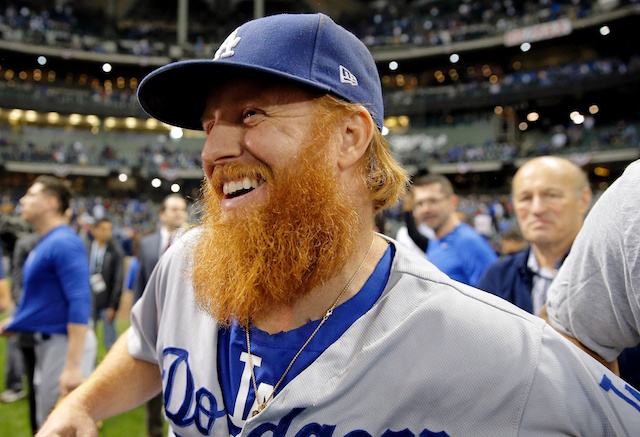
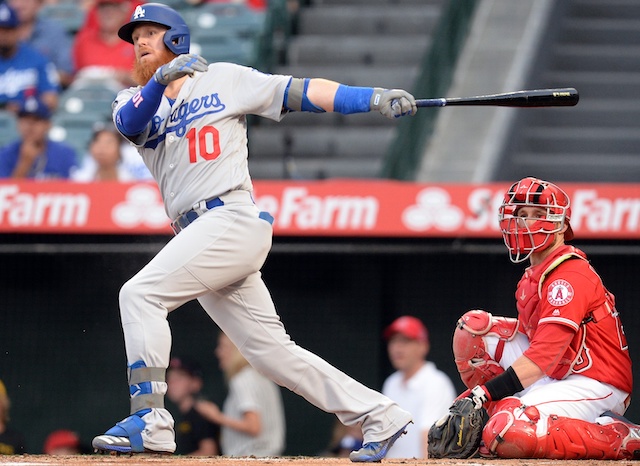
Kenley Jansen’s five-year, $80 million deal, Justin Turner’s two separate contracts totaling six years, $98 million, and Rich Hill’s three-year, $48 million extension are just a few examples.
The Dodgers preferred not to make long-term commitments whenever they did pursue a high-priced free agent, such as their four-year, $180 million offer to Bryce Harper in 2019.
They will eventually find a more sustainable middle ground for their spending, but it’s nice to enjoy it while it lasts.
Andrew Friedman aware of need for younger players on Dodgers roster
In addition to the current model not being financially sustainable, Friedman is also mindful that the clock is ticking on the Dodgers’ current core.
Friedman noted because of the high expectations the Dodgers face going forward, they will have to strike a balance between a youth movement and building the best possible roster in the short-term.
Make sure to follow Dodger Blue on Instagram! It’s the best way to see exclusive coverage from games and events, get your questions answered, and more!